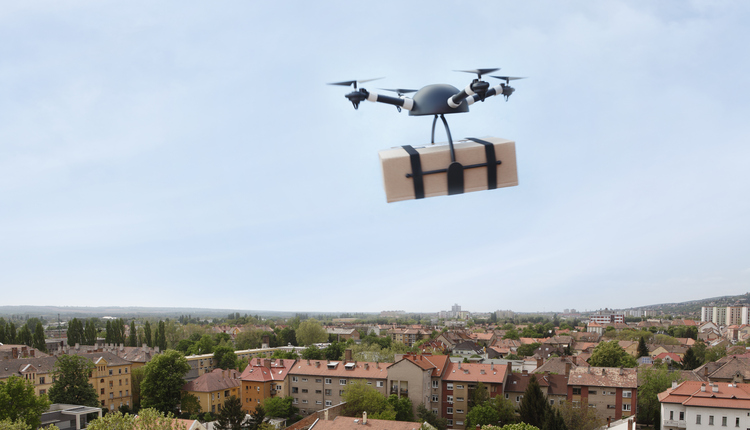
Before the pandemic, consumers were satisfied with one-click ordering that came with two-day delivery, or even next-day delivery. Not anymore. In an extremely short period of time, ordering g... View More
Amazon has taught me I don’t have to wait for my next two-pack of ravioli cutter stamps, so if you can’t get them to me in under two hours, I know someone else who can. It’s 2020,... View More

Peak season exposes last-mile issues when consumer expectations are high and their tolerance for delivery delays is low. The smaller delivery mistakes and inconsistencies, like&n
Parcel auditing has always been a discipline built on precision. Define the rules, run them against the data, and recover what's owed. For years, that model worked well, and in many respects
A recent Fast Company article written by the chief sustainability officer of Blue Yonder, Saskia van Gendt, caught my attention. Van Gendt wrote that while free returns have become a “powerf
For years, parcel auditing carried an implicit prerequisite: you had to be big enough to justify it. The conventional wisdom among smaller shippers went something like this �
Peak season exposes last-mile issues when consumer expectations are high and their tolerance for delivery delays is low. The smaller delivery mistakes and inconsistencies, like&n
Parcel auditing has always been a discipline built on precision. Define the rules, run them against the data, and recover what's owed. For years, that model worked well, and in many respects
A recent Fast Company article written by the chief sustainability officer of Blue Yonder, Saskia van Gendt, caught my attention. Van Gendt wrote that while free returns have become a “powerf
For years, parcel auditing carried an implicit prerequisite: you had to be big enough to justify it. The conventional wisdom among smaller shippers went something like this �