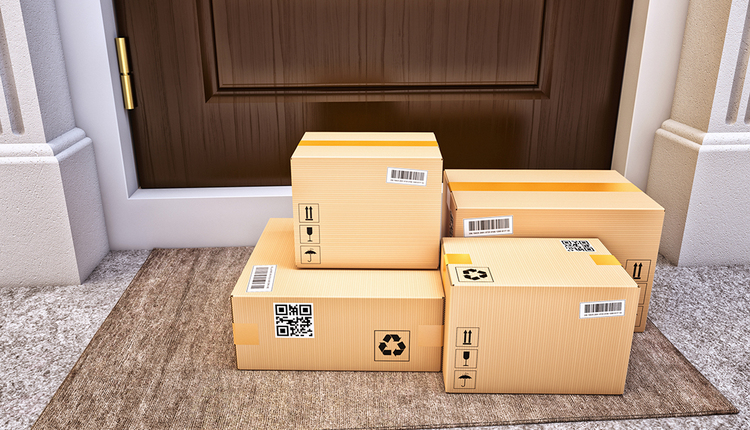
Over the last year, the COVID-19 pandemic exposed supply chain weaknesses, including supplier shortages and factory shutdowns, along with numerous challenges that affected the workforce. Combi... View More
It’s all about being prepared for the unexpected. The past 12 months have put a spotlight on the weaknesses of supply chains across the globe, prompting many organizations to rethink their s... View More
According to McKinsey's consulting firm, 61% of executives reported decreased costs, and 53% reported increased revenues due to introducing artificial intelligence (AI) into their supply chai... View More
Amazon’s shift from two-day delivery shipping to same-day delivery in 2019 reset consumers’ expectations for even quicker last-mile delivery. In 2020, the COVID-19 pandemic has highlighted
There is no doubt that supply chains will lead businesses out of the coronavirus pandemic. But, in order to become a leader among the pack, supply chains will need to embrace technologies that allow... View More

Peak season exposes last-mile issues when consumer expectations are high and their tolerance for delivery delays is low. The smaller delivery mistakes and inconsistencies, like&n
Parcel auditing has always been a discipline built on precision. Define the rules, run them against the data, and recover what's owed. For years, that model worked well, and in many respects
A recent Fast Company article written by the chief sustainability officer of Blue Yonder, Saskia van Gendt, caught my attention. Van Gendt wrote that while free returns have become a “powerf
For years, parcel auditing carried an implicit prerequisite: you had to be big enough to justify it. The conventional wisdom among smaller shippers went something like this �
Peak season exposes last-mile issues when consumer expectations are high and their tolerance for delivery delays is low. The smaller delivery mistakes and inconsistencies, like&n
Parcel auditing has always been a discipline built on precision. Define the rules, run them against the data, and recover what's owed. For years, that model worked well, and in many respects
A recent Fast Company article written by the chief sustainability officer of Blue Yonder, Saskia van Gendt, caught my attention. Van Gendt wrote that while free returns have become a “powerf
For years, parcel auditing carried an implicit prerequisite: you had to be big enough to justify it. The conventional wisdom among smaller shippers went something like this �